

How Do Small Changes Make a Big Difference in Bedroom Hygiene and Calmness?
Here’s something worth thinking about.
If you haven’t noticed, you spend roughly a third of your life in your bedroom. And yet, most people think more about their living room, where they just greet guests, rather than the space where their body rests and recovers.
Yes, we’re talking about the bedroom.
This type of disconnect clearly shows why so many people feel tired even after a full night's sleep.
The bedroom isn't merely a sleeping space. It's where the mind slows down, the body recovers, and daily stress begins to fade away.
And the fix, surprisingly, doesn't require a renovation or a big budget.
It begins with small things. The kind of things that take five minutes or cost very little, but compound over time into a bedroom that genuinely feels calm and clean.
So here, you’ll learn about the small changes that make a big difference in bedroom hygiene and calmness.
Why "Small Changes" Actually Work Here?
Most improvement advice tells you to overhaul everything at once.
New furniture. Fresh paint. A complete reset.
But that's not how most people actually live. And honestly, it's not necessary.
Bedroom hygiene and calmness respond well to small, consistent changes because your senses are heightened when you're trying to sleep. Even minor discomforts, like a rough sheet and a flat pillow, register more at night.
A calm environment is built layer by layer, not all at once.
Think of it less like a project and more like a habit. Each small upgrade makes the next one easier to notice and build on.
Small Changes, Big Difference
1. Start With What You're Sleeping On
Shockingly, this is the most overlooked place to begin with.
Not the furniture. Not the paint color. The actual surface your body contacts every single night.
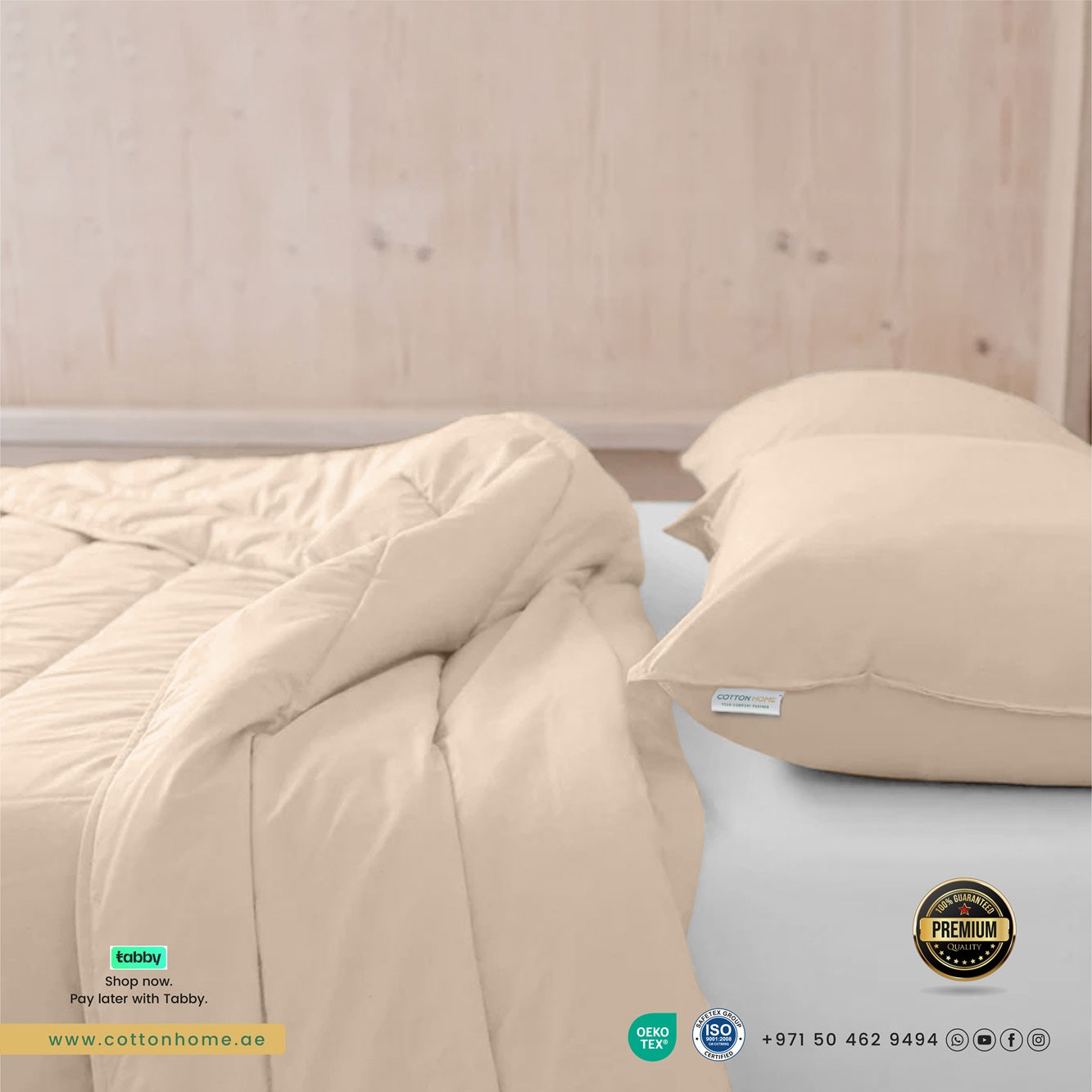
We are talking about the bedding sets.
Your bedding sets are in direct contact with your skin for 7–8 hours. If they're rough, worn out, or not breathable, your body registers that even when you're not consciously aware of it.
What to look for in bedding sets?
-
Natural, breathable fabrics like cotton or bamboo.
-
A weave that stays soft after multiple washes.
-
Neutral tones that keep the visual feel of the room calm.
-
Sets that include matching pieces so nothing feels mismatched or chaotic.
Here's the simple test.
If you get into bed and immediately feel comfortable, your bedding is doing its job.
If you're adjusting, pulling at fabric, or waking up warm, it's not.
2. Your Queen-Size Bed Sheets Matter More Than You Think
A lot of people underestimate this one also.
Sheets feel like a background detail. But they're actually the thing your skin touches most in any given day.
The wrong queen-size bed sheets can easily:
-
Trap heat and make you wake up sweating.
-
Feel scratchy or stiff, especially in the first few months.
-
Pill up over time and create an uneven texture.
-
Make the bed look unkempt, no matter how well it's made.
The right queen-size bed sheets do the opposite. They breathe. They stay smooth.
They make getting into bed feel like an actual reward at the end of the day.
What to look for?
-
Thread count in the 300–500 range, not too thin, not stiff.
-
100% cotton or a cotton-blend that's been pre-washed.
-
A fitted sheet that actually grips the mattress and doesn't shift overnight.
-
A flat or top sheet that drapes well and doesn't bunch up.
It's a small upgrade, but you'll notice it the very first night.
3. Find the Best Pillow for Sleeping, For Yourself Specifically
Here's the truth about pillows.
Most people are sleeping on the wrong one. Either too soft, too flat, too firm, or simply too old to offer any real support.
And the thing is, a bad pillow doesn't just affect your sleep. It affects how you feel the next morning.
Stiff neck, tension in the shoulders, and whatnot.
That groggy feeling that doesn't go away even after coffee.
The best pillow for sleeping isn't a universal thing. It depends on how you sleep.
|
Sleep Position |
What do you need? |
|
Side sleeper |
Firmer, higher loft to fill the gap between shoulder and head |
|
Back sleeper |
Medium support keeps the neck in a neutral position |
|
Stomach sleeper |
Softer and flatter, it reduces neck strain |
Once you find the right match, the difference is noticeable almost immediately. You stop adjusting it. You stop waking up at midnight to flip it. You just... sleep.
4. Wash Your Bedding More Often Than You Think You Should
This one is about hygiene more than aesthetics.
Most people wash their sheets every two to three weeks. Dermatologists generally suggest once a week, especially in warmer climates or if you sweat during sleep.
Why does it matter so much?
-
Dust mites accumulate in bedding sets within days.
-
Dead skin cells, sweat, and oils build up faster than expected.
-
A fresh, clean bed actively reduces allergens that can disturb sleep.
-
There's a psychological effect too, a freshly washed bed just feels better.
It doesn't take long. It doesn't cost extra. But it makes a noticeable difference in both how the room smells and how well you sleep.
You should:
-
Wash bedding sets once a week in warm water.
-
Replace pillowcases every 2–3 days if you have sensitive skin.
-
Air out your duvet or comforter once a week.
-
Rotate pillows so they wear evenly.
5. Clear the Surfaces Around Your Bed
Walk into your bedroom right now and look at the surfaces nearest to where you sleep.
Nightstand. Floor beside the bed. Windowsill if it's close.
What's on them?
For most people, it's a mix of things that don't really belong there, like old glasses of water, charging cables everywhere, books from three months ago, random small items that "landed" there and never left.
None of this seems like a big deal individually.
But together, it creates low-level visual noise that your brain keeps processing even when you're trying to rest.
The fix?
Keep only what you use every night on the nightstand.
You don't need to go extreme. Just enough that when you look around before sleeping, nothing is demanding your attention.
6. Smell and Air Quality Are Part of Bedroom Hygiene Too
This doesn't get talked about enough.
Your bedroom air quality directly affects sleep quality. Stale air, dust, and synthetic smells from old fabric or furniture keep the room feeling heavy, even when everything looks clean.
Small changes here go a long way:
-
Open a window for 10 minutes every morning to let air circulate.
-
Use a light, natural room spray after making the bed. Not synthetic fragrance, something clean and simple.
-
Wash curtains and throw pillow covers monthly, not just the bedding sets.
-
Consider a small air purifier if you live in a dusty or polluted area.
The goal is a room that smells like nothing in particular. Clean. Neutral. Calm.
That's what hotel rooms do so well.
They don't smell like anything. And somehow that's the most relaxing smell of all.
7. Make the Bed Every Morning, It's Not Just About Looks
This sounds like old-fashioned advice. But it works.
Making your bed each morning takes about two minutes. What it does is set a visual tone for the rest of the day, and more importantly, for the evening.
Coming back to a made bed at night:
-
Signals to your brain that the space is calm and ordered.
-
Makes it feel more inviting to actually get into.
-
Gives you a small sense of control on days that feel chaotic.
-
Highlights when your queen size bed sheets or bedding sets need replacing.
It's one of those habits that pays off in ways that aren't immediately obvious. But once you do it consistently for a couple of weeks, going back to an unmade bed genuinely feels uncomfortable.
Keep It Simple
Start with these five easy steps:
-
Wash your bedding this week
-
Replace your pillow if it's old or no longer supportive
-
Upgrade worn-out or rough bed sheets
-
Clear your nightstand of clutter
-
Open your bedroom window each morning for fresh air
Final Thought
A calm, clean bedroom isn't about perfection, it's about reducing distractions and creating comfort. Small changes like fresh bedding, supportive pillows, quality sheets, and simple daily habits can make a noticeable difference in how your room feels and how well you sleep.
FAQs
1. How often should I wash my bedding sets?
Once a week is ideal. At a minimum, every two weeks, more frequently in warmer weather or if you sweat during sleep.
2. What makes queen size bed sheets worth upgrading?
Breathability, softness, and fit. Good sheets stay cool, don't pill, and keep the mattress fitted all night without shifting.
3. How do I know I have the best pillow for sleeping?
If you wake up without neck stiffness and don't adjust your pillow during the night, it's working. If either of those happens regularly, it's time to switch.
4. Does a cluttered bedroom actually affect sleep?
Yes. Visual clutter keeps the brain in a low-level active state, which slows down the wind-down process before sleep.
5. Can small changes really replace a full bedroom makeover?
For most people, yes. The things that affect sleep most, bedding, pillows, cleanliness, and clear surfaces, don't require new furniture or redecorating.





Leave a comment