The Ultimate Kids’ Room Buying Guide for New Parents: Essential Bedding, Bath & Everyday Comfort
Preparing a child’s room is exciting, but a beautiful nursery should also be safe, practical and easy to maintain. New parents do not need to buy every product at once. The best approach is to create a secure sleep space first, then add bathing, storage, comfort and play essentials as the baby grows.
This guide covers baby mattresses, crib bedding,lightweight blanket, comforters, bathrobes, bath towel, hair accessories, themed décor, bean bags and a complete kids’ room checklist. Safety recommendations are based primarily on official guidance from the US National Institutes of Health, the US Consumer Product Safety Commission, the UK Government and India’s Bureau of Indian Standards.
Important: Government guidance can differ by country and product category. For example, the US National Institutes of Health recommends placing babies on a firm, flat and level sleep surface covered only with a fitted sheet, while UK Government guidance also advises using a clear cot, keeping babies’ heads uncovered and avoiding pillows, loose bedding and soft items. Always follow the instructions supplied with the crib, mattress, sleep bag, furniture or other child product. You can check the NIH Safe to Sleep guidance and the UK Government’s safer-sleep guidance.
For products purchased in India, review the manufacturer’s safety information and check applicable standards through the Bureau of Indian Standards. For medical, allergy or sleep concerns, speak with your paediatrician or another qualified healthcare professional. The NIH Safe to Sleep resource also provides research-based information for parents and caregivers.
1. Planning Your Baby’s First Room: Where to Start
A nursery should support three everyday needs: safe sleep, efficient care and easy supervision. Before buying décor, measure the room, identify electrical outlets, check window coverings and decide where the crib, changing area, storage and feeding chair will go.
Prioritise safety first
The crib or cot should be placed away from windows, blind cords, heaters, lamps, shelves and furniture that a child could climb. Keep electrical cables out of reach and use safety covers only when they are appropriate for the outlet and installed according to the manufacturer’s directions.
Anchor dressers, bookcases, wardrobes and televisions securely to the wall. The US Consumer Product Safety Commission’s Anchor It! campaign specifically recommends anchoring furniture and TVs, storing heavier items lower down and removing toys or remote controls that may encourage children to climb. Read the official CPSC Anchor It! guidance before arranging furniture. If you live in India, check whether a product carries the applicable BIS requirements or certification information. The Bureau of Indian Standards publishes information about Indian Standards, including standards relating to children’s products and toy safety. Do not assume that a product is safe merely because it is sold online; check the manufacturer, age recommendation, instructions and warning labels.
Make the room functional
A practical nursery usually needs:
-
A safety-compliant crib or cot.
-
A firm, correctly sized mattress.
-
Several fitted sheets.
-
A waterproof mattress protector that fits tightly beneath the sheet.
-
A changing surface with secure supervision.
-
A closed laundry basket.
-
Accessible storage for nappies, wipes, clothes and muslin cloths.
-
A comfortable chair for feeding or settling.
-
A dimmable light or low-level night light.
-
A room thermometer if recommended by your healthcare provider.
Keep daily-use items within an adult’s reach but away from the baby. Nappy products, creams, medicines, plastic packaging, cords and small accessories should never be left where a child can reach them.
Buy in stages
Before birth, concentrate on sleep, feeding, changing, bathing and basic clothing. Decorative cushions, large toys, character accessories and elaborate storage systems can wait. Babies grow quickly, and many products advertised for newborns are used for only a short period.
A useful rule is: buy for the child’s current developmental stage, not for a photograph of the finished room.
2. Choosing the Right Baby Mattress for Healthy Sleep
The mattress is one of the most important nursery purchases. Official Safe to Sleep guidance says a baby’s sleep surface should be firm, flat and level, with only a fitted sheet covering it. The surface should return to its shape quickly when pressed and should not allow the baby’s face to sink into it.
What to look for
Choose a mattress that is:
-
Firm rather than plush or deeply cushioned.
-
Flat and level, without an incline.
-
Strong enough to retain its shape.
-
Designed specifically for the crib, cot or bassinet.
-
Covered with a removable, washable cover.
-
Free from tears, sagging, exposed filling or damaged seams.
-
The correct size for the sleep space.
Avoid memory-foam, pillow-top, water, air or adult mattresses for infant sleep unless a qualified healthcare professional and the product manufacturer specifically state that they are suitable. NIH guidance lists soft surfaces, memory foam, quilts, blankets and sheepskins among items that are not safe for infant sleep.
Choose the correct size
A mattress should fit snugly inside the crib or cot. Gaps around the edges can create an entrapment hazard. Do not rely only on a general size such as “standard cot mattress”; measure the internal dimensions of the actual crib and compare them with the mattress specifications.
Never modify a mattress by cutting it, adding foam, placing towels underneath it or using extra padding to fill gaps. If the mattress does not fit correctly, replace it rather than attempting a homemade adjustment.
Breathability and waterproofing
Parents often look for “breathable” materials, but breathability should never be used as a reason to choose a soft or loosely structured mattress. A safe mattress must remain firm and maintain its shape. A washable cover can help manage spills, while a waterproof protector may protect the mattress from urine, milk and bath-time accidents.
Use only a protector that fits tightly and does not create folds, bunching or extra softness. Inspect the protector regularly for damage.
Safety standards and product information
Ask the seller for the product’s applicable safety standard, test information, care instructions and manufacturer details. For Indian purchases, consult BIS resources and the relevant product standard where available. For international products, verify that the mattress and crib are intended to be used together and meet the safety requirements of the market in which they are sold.
The ISO 23767:2021 standard description covers safety requirements and test methods for mattresses used in children’s cots and cribs, although ISO itself is not a government body and compliance may vary by country. Treat certification claims as something to verify, not as a substitute for checking fit and firmness.
3. Crib Bedding Essentials for a Safe and Comfortable Nursery
A safe infant crib should be intentionally simple. The US CPSC describes the “bare is best” approach: use a crib, bassinet or play yard with a firm mattress and a fitted sheet, without pillows, loose blankets, bumpers or soft toys.
Essential crib bedding
Purchase:
-
Three or more fitted sheets made for the mattress size.
-
One or two tightly fitting mattress protectors.
-
A waterproof layer that does not make the sleep surface soft.
-
A properly fitted infant sleep bag, if recommended for your baby and climate.
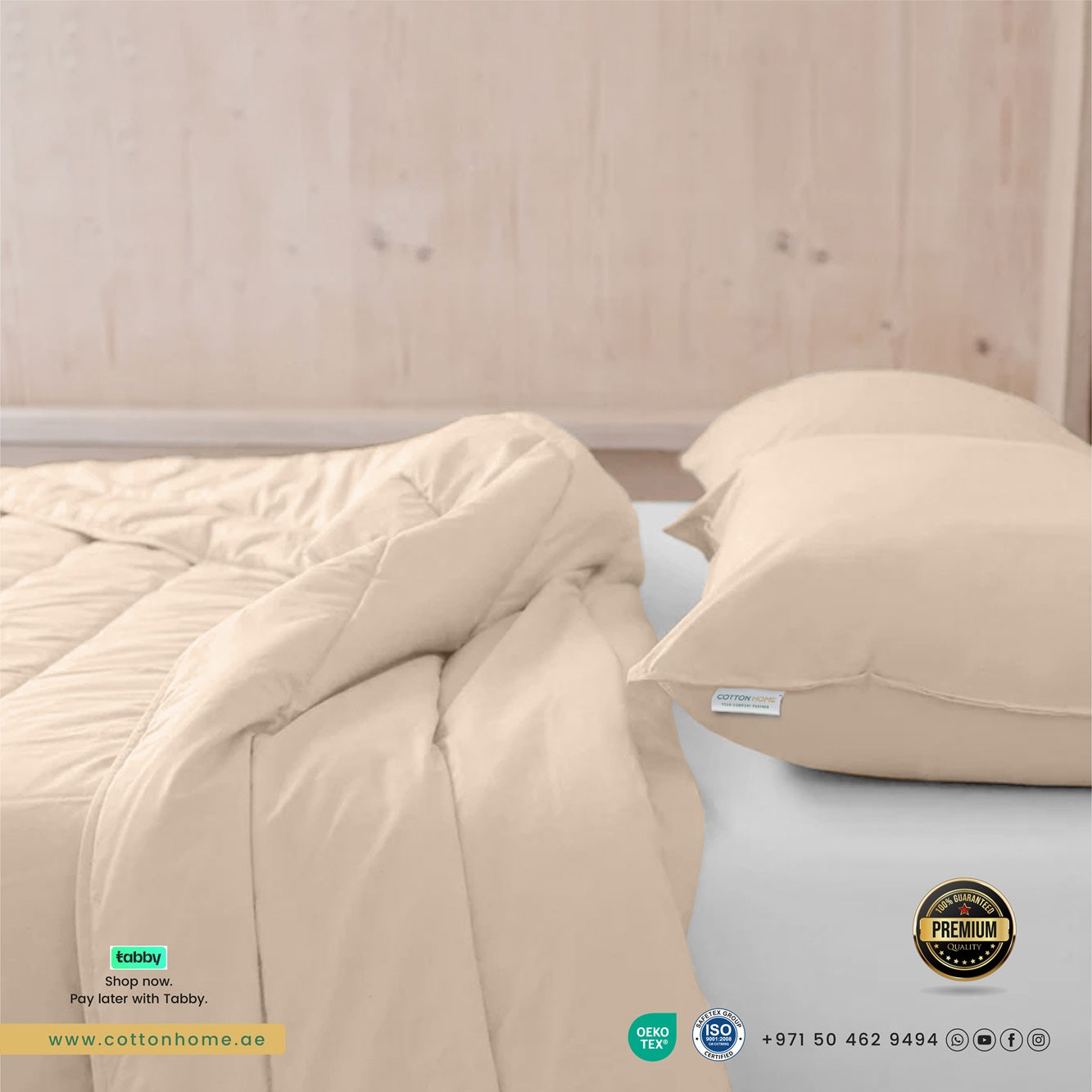
A crib bedding set may contain a fitted sheet, blanket, bumper, pillowcase, decorative quilt or other accessories. You do not need to use every item in the set. Remove any product that is loose, padded, weighted, oversized or not specifically suitable for the baby’s age.
Safe sleep practices
Place the baby on their back for every sleep unless a healthcare professional gives different instructions. Keep the baby’s sleep space in the parents’ room, but on a separate sleep surface. NIH guidance recommends room-sharing without bed-sharing for at least the first six months.
Keep the crib free from:
-
Pillows and head supports.
-
Cot bumpers.
-
Quilts and comforters.
-
Stuffed toys.
-
Positioners and wedges.
-
Weighted blankets or weighted swaddles.
-
Loose sheets and non-fitted bedding.
-
Decorative items that can cover the face.
The official Safe to Sleep environment guidance explains why a clear sleep area is safer than a heavily decorated crib.
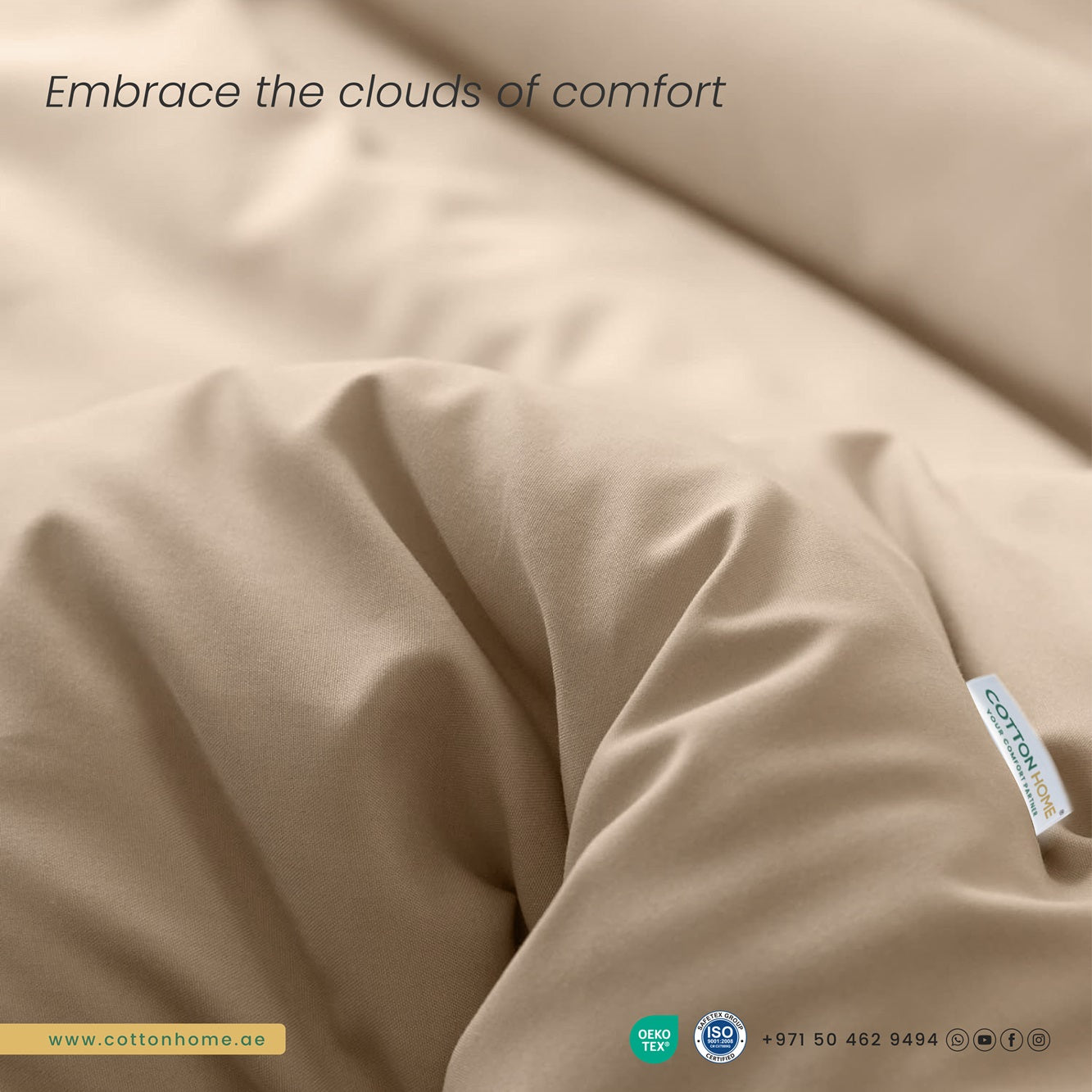
4. Keeping Your Baby Cozy with Soft Blankets & Everyday Bedding
Blankets can be useful outside the crib, but their purpose and safe use change with the baby’s age and surroundings.
Types of baby blankets
Common options include:
-
Lightweight cotton or muslin blankets for warm weather and supervised use.
-
Fleece blankets for colder outings, provided they do not overheat the child.
-
Knitted blankets for supervised cuddling, pram use or photography.
-
Cellular blankets that allow some air movement and can be layered.
-
Swaddles or wearable sleep bags designed for an infant’s age and size.
-
Larger toddler blankets for children who can safely manage loose bedding.
A lightweight blanket is often more practical than a heavy quilt because it can be layered or removed as conditions change. However, lightweight does not mean risk-free: an infant may still pull a blanket over their face. Keep loose blankets out of an infant’s sleep space unless you are following the specific guidance applicable in your country and the baby’s developmental stage.
UK Government guidance advises keeping babies from becoming too hot or cold, using lightweight bedding firmly tucked no higher than the shoulders, or using a properly fitted baby sleep bag according to manufacturer instructions. It also gives 16–20°C as a recommended room-temperature range for babies in early-years settings.
Choosing fabric
Look for fabric that is:
-
Smooth and soft without shedding fibres.
-
Free from loose ribbons, cords, buttons and detachable decorations.
-
Machine washable.
-
Appropriate for the weather.
-
Large enough for its intended use but not excessively oversized.
-
Labelled with washing, drying and age information.
Wash new blankets before use with a fragrance-free detergent if your baby has sensitive skin. Avoid products that are heavily scented or difficult to clean.
When to use a blanket
Use blankets for supervised cuddles, floor play, a stroller, a pram or travel. Keep the baby’s face and head uncovered, and check regularly for signs of overheating. Do not cover a stroller with a blanket because it can reduce ventilation and make the inside hot.
In a car seat, never place thick blankets underneath the harness or between the child and the harness. Dress the baby in thin layers and place a blanket over the secured straps only if it does not interfere with the harness.
5. Must-Have Baby Accessories Every New Parent Should Own
Accessories should reduce daily effort, not create clutter. Choose a small number of durable products that solve real problems.
Feeding and changing
Useful items include:
-
Muslin cloths for milk spills and burping.
-
Bibs with secure, comfortable fastenings.
-
A washable changing mat.
-
Nappy storage trays.
-
A closed nappy bin or laundry basket.
-
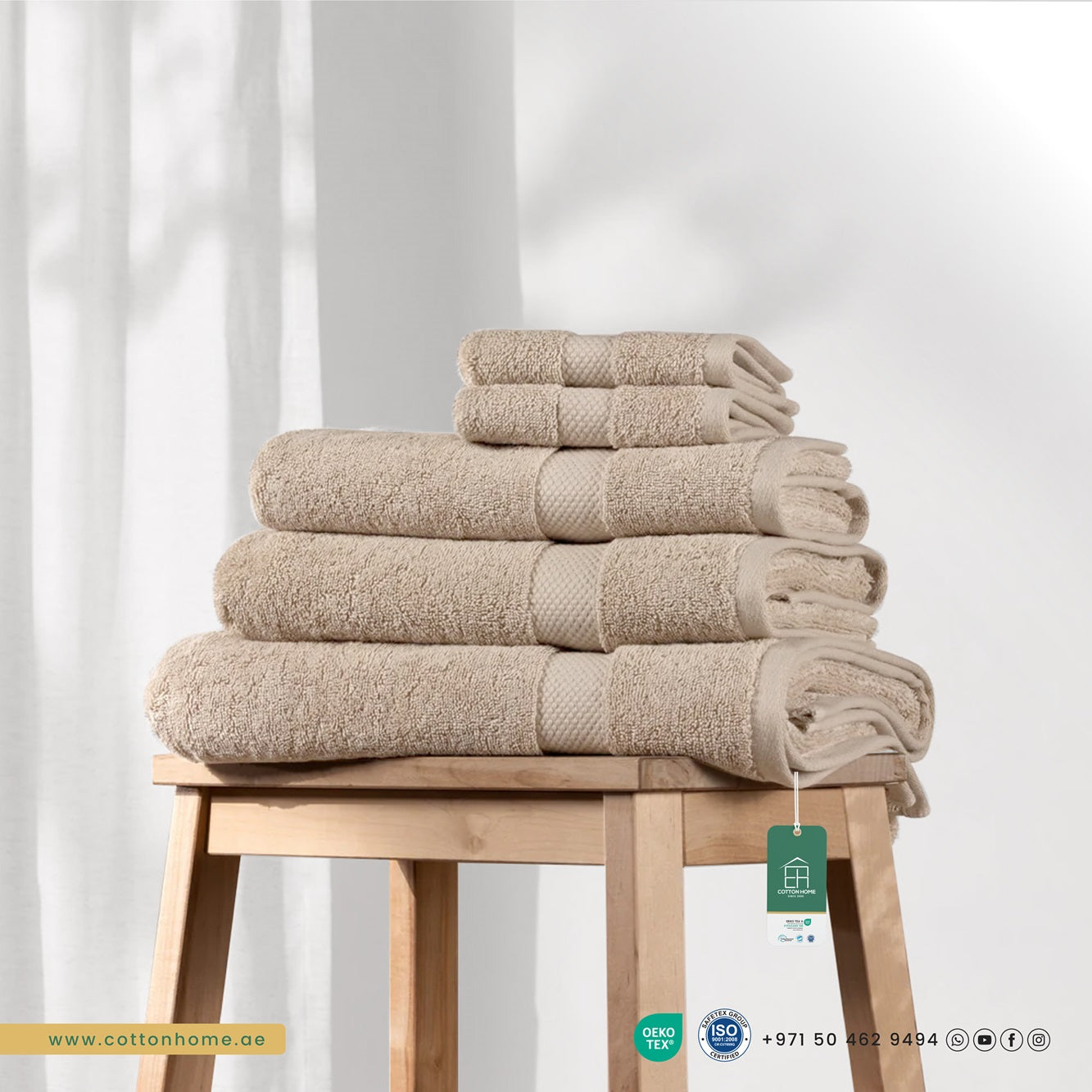
A gentle, washable bath towel for drying after bathing.
-
A thermometer and first-aid supplies selected with medical advice.
Keep medicines and creams in their original packaging and follow professional instructions. Do not store medication in an accessible nursery drawer.
Sleep and organisation
Consider:
-
A fitted sleep bag in the correct size.
-
A room thermometer.
-
A low-glare night light.
-
Drawer dividers for clothing.
-
Labels for nappies, feeding items and spare sheets.
-
A lidded box for keepsakes.
-
A laundry hamper that cannot be opened easily by a young child.
Do not use a pillow to improve an infant’s sleep position. An adjustable layer pillow may be marketed as adaptable, but adjustability does not make a pillow appropriate for a baby’s crib. UK safe-sleep guidance advises against pillows and duvets for babies under 12 months because of suffocation and overheating concerns.
Travel accessories
For travel, focus on products that are age-appropriate and tested for their intended use:
-
A properly installed rear-facing infant car seat, where required.
-
A changing bag with separate clean and used-item compartments.
-
A portable changing mat.
-
Spare clothing.
-
A sunshade that does not obstruct airflow or safe installation.
-
A compact, washable blanket for supervised use.
Never use an unapproved sleep product as a substitute for a crib, cot or bassinet.
6. Transitioning from Nursery to a Kid’s Bedroom
Children’s room needs change with mobility, independence and sleep development. A newborn needs a clear, secure sleep space. A toddler needs safe floor access, anchored furniture and storage that supports supervised independence. An older child may need a desk, reading area and more personal space.
Moving from crib bedding to kids’ bedding
Do not transition to a pillow, duvet or comforter simply because a themed bedding set is attractive. Consider the child’s age, mobility, ability to remove bedding and advice from your healthcare professional. UK Government-backed safe-sleep guidance commonly advises avoiding pillows and duvets for babies under 12 months.
When your child is ready for a larger bed:
-
Select a mattress that is firm, supportive and correctly sized.
-
Use fitted sheets that remain secure.
-
Choose lightweight bedding that the child can move away from their face.
-
Avoid long cords, hanging decorations and loose canopies.
-
Install a guard rail only if it is compatible with the bed and used as directed.
-
Anchor all wardrobes, dressers and shelves.
Create an age-appropriate room
At toddler stage, place frequently used toys on low shelves and keep small parts away from younger children. At school age, create separate zones for sleep, reading, dressing and play. Use furniture that can be adjusted or repurposed instead of buying pieces that will become unsuitable quickly.
7. Choosing Comfortable Kids’ Comforters & Duvet Covers
Comforters and duvet covers are generally better suited to older children than infants. Choose them according to the child’s sleeping habits, room temperature and ability to manage the bedding independently.
Consider warmth and weight
A heavy, thick comforter may cause overheating or restrict movement. A lighter option can be layered with sleepwear in colder weather. Check the product’s warmth rating where provided, and avoid relying on a blanket alone to solve a cold-room problem.
A child who kicks off bedding may benefit from warm sleepwear or an age-appropriate sleep bag rather than a heavier duvet. A child who overheats may need breathable, washable layers instead.
Choose practical fabric
Cotton is widely used because it is comfortable and easy to wash. Other fabrics may be suitable if they are soft, durable and clearly labelled. Inspect the construction for:
-
Secure stitching.
-
No loose threads.
-
No detachable decorations.
-
A cover that can be removed and washed.
-
Fasteners that do not create sharp or accessible parts.
If you are buying an OEKO-TEX product, remember that OEKO-TEX is a private certification system, not a government certification. Verify the certificate number through the relevant certification provider. For a government-linked Indian compliance check, start with BIS product and standards information and retain the product label and invoice.
About pillows
Do not use pillows for babies in a crib. For an older child, ask a paediatrician or follow local public-health guidance before introducing one. If an older child uses a pillow, choose a small, firm, washable model made for their age rather than an oversized adult pillow.
8. Creating a Fun & Functional Room with Kids’ Bean Bags
A bean bag can create a flexible reading, relaxing or play zone. It is not a replacement for a crib, cot, bed or approved sleep surface.
Where a bean bag works well
Place it in a supervised area for:
-
Looking at picture books.
-
Quiet play.
-
Listening to stories.
-
Relaxing after school.
-
A flexible seating corner.
Choose a stable shape with a washable, zipped cover and strong seams. Keep the filling inaccessible. A child should not be able to open the cover, pull out beads or use the bean bag to climb towards a window or shelf.
Safety considerations
Never leave a baby unattended on a bean bag. Soft furnishings can restrict movement and breathing, especially for infants who cannot reposition themselves. Keep bean bags away from stairs, heaters, open windows, cords and unstable furniture.
As the child grows, inspect the cover, zip and seams regularly. Replace the product if the filling leaks or the cover becomes damaged. Anchor nearby furniture and avoid placing toys on top of shelves where children may climb to reach them. The CPSC’s furniture-safety guidance recommends securing furniture and keeping tempting items out of climbing reach.
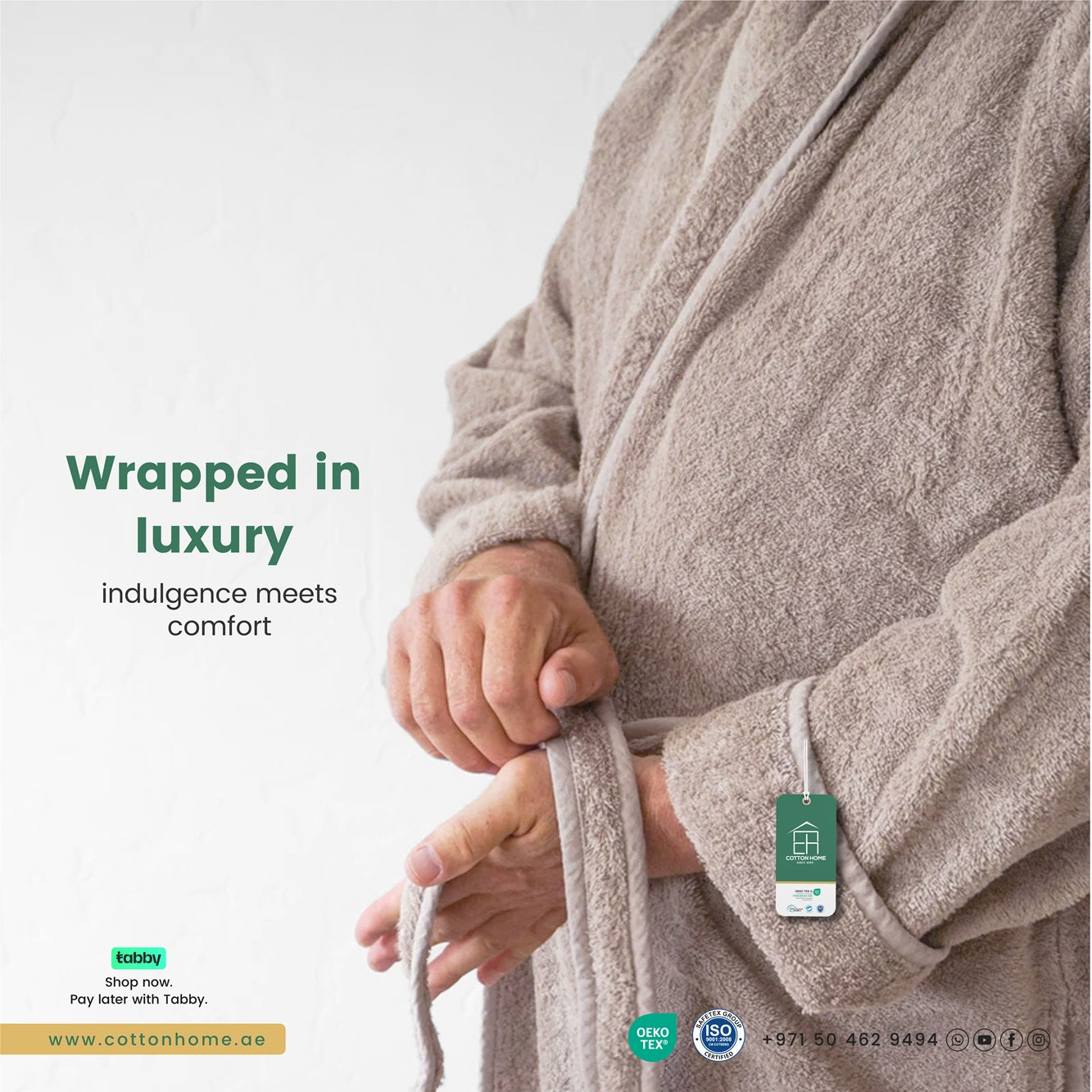
9. Bath Time Essentials: Why a Soft Kids’ Bathrobe Matters
A bathrobe can make the transition from bath to dressing more comfortable. It helps absorb moisture, provides warmth and gives older children a familiar step in the bedtime routine.
Selecting a bathrobe
Look for:
-
Absorbent cotton or another soft, washable material.
-
A size that allows movement without trailing on the floor.
-
Secure stitching around the hood, belt and sleeves.
-
No long cords or decorative parts that can catch.
-
Colourfast fabric that does not release strong dye during washing.
-
Clear washing instructions.
For babies, a hooded towel may be more practical than a robe because it is quick to wrap and does not require sleeves or a belt. A generously sized bath towel should be soft, absorbent and large enough to dry the child without covering the face.
Bath-time supervision
A robe cannot make bathing safe. Never leave a baby or young child alone in a bath, even briefly and even if the water is shallow. Prepare the towel, robe, nappy and clothing before placing the child in the water so you do not need to step away.
Check the water temperature with your wrist or a suitable thermometer, follow local health guidance and keep hot-water controls inaccessible. Maintain direct supervision throughout bathing.
10. Hair Accessories That Are Comfortable, Safe & Kid-Friendly
Hair accessories should be selected for comfort, secure construction and the child’s age. Babies and toddlers can pull clips, elastics and decorative pieces from their hair and place them in their mouths.
Safer choices
Look for:
-
Soft, fabric-covered elastics.
-
Smooth, rounded clips without sharp edges.
-
Securely attached decorations.
-
Lightweight headbands that do not press behind the ears.
-
Products without small detachable beads, magnets or buttons.
-
Age guidance and care instructions.
Remove hair accessories during sleep, unsupervised play and car travel if they may cause pressure or become loose. Inspect each item before use and discard it if the elastic stretches, the clip breaks or decorations detach.
The CPSC and BIS provide general child-product and toy-safety resources, but there may not be a single government standard covering every hair accessory. Check India’s
BIS standards portal and the seller’s safety information where relevant. BIS materials identify standards addressing mechanical, physical and chemical hazards in children’s products.
11. Decorating Your Child’s Room with Favourite Comic Characters
Character-themed décor can make a child’s room feel personal and inviting. Use removable or replaceable items so the room can evolve as interests change.
Start with flexible pieces
Instead of buying an entire matching set, consider:
-
A removable wall sticker.
-
A character cushion for supervised daytime use.
-
Framed artwork placed securely out of reach.
-
Curtains that meet the window manufacturer’s safety guidance.
-
A washable character-themed duvet cover for an older child.
-
Storage labels or boxes featuring the child’s favourite theme.
Do not place decorative cushions, quilts, toys or character bedding in an infant’s crib. A themed product remains a loose or soft object if it can cover the baby’s face.
Balance style and longevity
Use neutral, durable furniture as the foundation and add character designs through replaceable textiles or artwork. Check that paint, wallpaper, textiles and decorations are suitable for children and do not contain accessible small parts or long cords.
Avoid hanging heavy frames above a bed or crib. Anchor shelves and place breakable items beyond the child’s reach.
12. How to Choose Safe, Skin-Friendly & Easy-to-Maintain Kids’ Products
Children’s products come into frequent contact with skin, mouths, food, bath water and floors. Prioritise simple construction, clear labelling and easy cleaning.
Check the material and label
Before buying, look for:
-
Fibre composition.
-
Age and weight guidance.
-
Washing and drying instructions.
-
Manufacturer or importer details.
-
Batch, model or product identification.
-
Safety warnings.
-
Instructions for assembly and use.
-
Applicable certification or standard information.
If your child has eczema, allergies or sensitive skin, ask a healthcare professional about suitable fabrics and detergents. “Natural,” “organic,” “antibacterial” and “hypoallergenic” are marketing terms unless supported by reliable evidence and clear product information.
OEKO-TEX and similar labels
OEKO-TEX can be useful when independently verified, but it is not a government mark. Do not confuse it with BIS certification or a statutory safety requirement. For products sold in India, use the
to investigate relevant Indian Standards and certification information.
Washable products are usually easier for family life, but washing does not correct an unsafe design. A washable pillow is still not appropriate for an infant’s crib, and a washable bumper remains a loose padded item.
Maintain products regularly
Create a simple inspection routine:
-
Check crib screws and joints.
-
Inspect mattress seams and edges.
-
Replace torn or ill-fitting sheets.
-
Wash bath towels and robes regularly.
-
Check for mould or dampness.
-
Test furniture anchors after moving furniture.
-
Remove broken toys and loose accessories.
-
Review age guidance as the child grows.
Always follow the product’s care label. Do not combine products in ways the manufacturer does not approve.
13. Kids’ Room Essentials Checklist for New Parents
Before the baby arrives
Sleep
-
Safety-compliant crib, cot, bassinet or portable sleep space.
-
Firm, flat, level mattress.
-
Correctly sized fitted sheets.
-
Firmly fitting mattress protector.
-
Age-appropriate sleep bag, if selected.
-
No pillows, quilts, bumpers, loose blankets or soft toys in the crib.
-
Room-sharing arrangement that keeps the baby on a separate sleep surface.
Bath and changing
-
Washable changing mat.
-
Several soft bath towels.
-
Hooded baby towel or suitable bath wrap.
-
Gentle wash products recommended for your baby’s skin.
-
Nappies and changing supplies.
-
Closed laundry basket.
-
Clean storage for clothes and linens.
Organisation
-
Anchored dresser or storage unit.
-
Low-glare night light.
-
Safe cable management.
-
Nappy and clothing organisers.
-
Washing supplies.
-
Room thermometer if advised.
-
Smoke and carbon-monoxide alarms where appropriate for your home and local requirements.
During the first year
-
Additional fitted sheets for quick changes.
-
Seasonal, lightweight blankets for supervised use.
-
Appropriate clothing layers.
-
Muslin cloths and bibs.
-
Secure travel changing bag.
-
Approved car seat.
-
Washable play mat.
-
Safe, age-appropriate toys.
-
Bathrobe or hooded towel when developmentally suitable.
-
Hair accessories only when supervised and appropriate for the child’s age.
When moving to a child’s bed
-
Correctly sized firm mattress.
-
Fitted sheets.
-
Lightweight comforter or duvet suitable for the child’s age.
-
Washable duvet cover.
-
Small, firm pillow only when appropriate according to local guidance and professional advice.
-
Anchored wardrobe, dresser and shelves.
-
Child-accessible storage.
-
Reading chair or bean bag for supervised use.
-
Secure lighting and covered cables.
-
Replaceable décor rather than permanent child-specific furniture.
Final Buying Principles
A safe children’s room is not defined by how many products it contains. It is defined by a firm and clear infant sleep space, correctly fitted bedding, anchored furniture, supervised bath and play areas, washable materials and products that match the child’s age.
Use government resources such as
UK Government safer-sleep guidance
and
India’s Bureau of Indian Standards
when checking safety information.
The most useful purchase is usually the one that is correctly sized, easy to wash, clearly labelled, durable and safe for the child’s present stage—not necessarily the most expensive or decorative option.