

What Is Hypoallergenic Bedding? A Complete Guide to Its Benefits and Who Needs It?
Hypoallergenic bedding is made to reduce common allergens like dust mites, mold, and pet dander. It helps people who have allergies, sensitive skin, or breathing issues sleep more comfortably. These products use special materials and tighter fabric weaves to keep irritants away. Even if you don’t have allergies, switching your bed and pillows or full bedding sets can lead to cleaner and better sleep.
Why Regular Bedding Can Affect Your Sleep?
We understand that the above question felt unrealistic to be discussed, but unfortunately, it’s the reality.
Many people don’t realize that their bedding can cause discomfort. Yes, discomfort!
If you often wake up with a blocked nose, itchy skin, or watery eyes, your bedding could be the reason.
We’re not saying this out of the blue, regular bedding tends to collect:
-
Dust mites
-
Dead skin cells
-
Moisture
Sadly, all of this creates an environment where allergens and bacteria can grow. According to the American Academy of Allergy, Asthma & Immunology, dust mites are one of the most common indoor allergy triggers.
What Is Hypoallergenic Bedding?
As the name says, Hypoallergenic bedding is designed to reduce the chances of allergic reactions.
How, exactly?
Well, it is made using materials and fabric structures that prevent allergens from settling in. In simplest terms, it is bedding that helps keep your sleeping environment cleaner and safer.
What Makes Bedding Hypoallergenic?
Let’s understand what makes this special.
|
Feature |
What It Does |
Why It Matters |
|
Tight fabric weave |
Blocks dust mites |
Reduces allergens |
|
Breathable materials |
Limits moisture |
Prevents bacterial growth |
|
Gentle processing |
Avoids harsh chemicals |
Safer for skin |
|
Easy to wash |
Keeps bedding clean |
Maintains hygiene |
Customer Insights
After switching to Hypoallergenic bedding:
-
Many customers reported better sleep.
-
The problem of skin irritation has been factually reduced to significant levels.
-
Another trend emerged, where there has been growing interest in combining hypoallergenic bedding with a pillow for back pain.
Benefits of Hypoallergenic Bedding
Let’s study some of the prime benefits of using this.
1. Helps Reduce Allergies
It protects against dust mites, pollen, and pet hair, which can trigger allergies.
2. Improves Sleep Quality
With fewer irritants, the body can rest better during the night.
3. Safe for Sensitive Skin
These materials are less likely to cause rashes or irritation.
4. Stays Fresh Longer
It resists odor and bacteria, so it feels cleaner for longer periods.
5. Better Comfort Options
Many products now combine support and hygiene, including options like a pillow for back pain.
Who Should Use Hypoallergenic Bedding?
After being aware of what it is and its benefits, now is the time to understand for whom this is.
Like above, we’ll keep this short and understandable for you.
This type of bedding is useful for:
-
People with allergies or asthma.
-
Families with young children.
-
Those with sensitive skin.
-
People living in warm climates where sweating is common.
-
Anyone dealing with neck or back discomfort who also wants cleaner bedding.
Hypoallergenic vs Regular Bedding
|
Factor |
Regular Bedding |
Hypoallergenic Bedding |
|
Dust protection |
Low |
High |
|
Breathability |
Average |
Better |
|
Skin comfort |
Can cause irritation |
Gentle |
|
Cleaning needs |
More frequent |
Easier to maintain |
|
Durability |
Average |
Longer lasting |
What to Look for When Buying?
When choosing the right bedding, it’s very important to understand what each factor actually means, and how it actually affects your health and comfort. We’ll say, this is the most important thing!
Material
The material of your bedding plays the biggest role in how it feels and how well it protects you from allergens.
-
Cotton
Cotton is one of the most popular choices because it is soft, breathable, and suitable for warm climates. This is very evident. It allows air to pass through easily, helping reduce sweating and keep the bed fresh. This makes it a good option for everyday use without any doubt.
-
Bamboo
Bamboo fabric is known for being naturally antibacterial and moisture-wicking. It helps keep the bed cool and dry, which ultimately reduces the chances of bacteria and odor buildup. It is also gentle on sensitive skin.
-
High-quality microfiber
Microfiber is made from very fine fibers that are tightly woven. This tight structure helps block dust mites and allergens from entering the fabric. It is also durable and easy to maintain, making it a practical option.
Certifications
After material type and quality, it’s time to look for certifications.
Certifications help you understand whether the product is safe and free from harmful substances.
-
OEKO-TEX or similar standards
This certification means the fabric has been tested for harmful chemicals and is safe for human use. It is especially important for people with allergies, sensitive skin, or children with bedding. Choosing certified products adds an extra level of trust and safety.
Product Types
Hypoallergenic protection works best when you cover all essential bedding items.
-
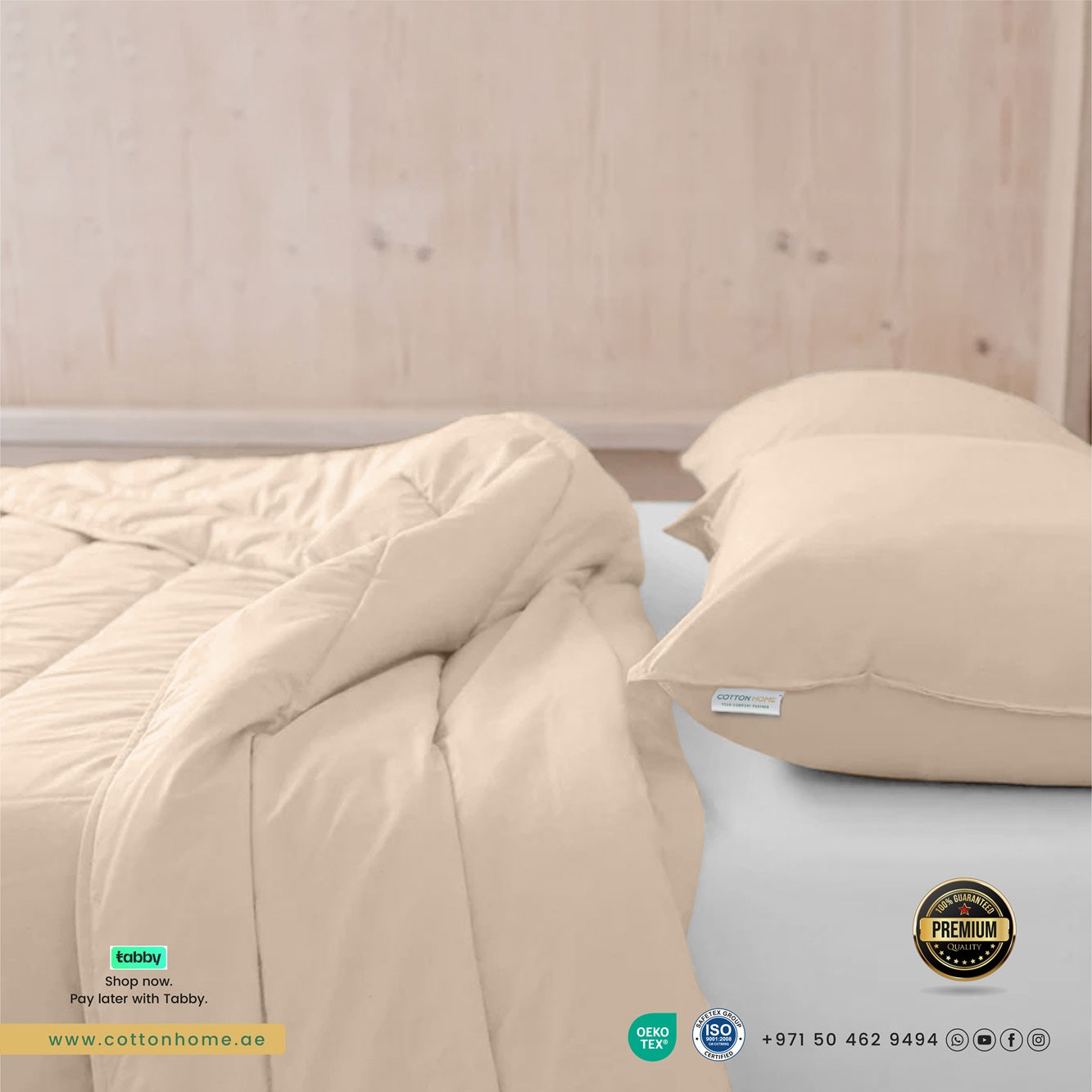
Bedding sets
These usually include bedsheets, pillowcases, and sometimes duvet covers. Choosing a complete set ensures that your entire sleeping surface is protected, not just one part.
-
Mattress protectors
A mattress protector acts as a barrier between you and the mattress. It prevents dust mites, sweat, and spills from reaching the mattress, which is one of the main places where allergens collect.
-
Pillow covers
Pillows can trap dust mites and bacteria over time. Using hypoallergenic pillow covers helps keep your bed and pillows cleaner. This is especially useful if you are using a pillow for back pain, as it keeps the pillow hygienic while maintaining its support.
Final Thought
Good sleep depends on more than just a mattress. Clean and well-made bedding plays an important role. So, switching to hypoallergenic bed and pillows is a simple step that can improve comfort and overall sleep quality. Now, after having clarity on this, what are you waiting for?
FAQs
1. Does hypoallergenic bedding completely remove allergens?
No, but it reduces exposure to common allergens and helps create a cleaner sleeping space.
2. Can it help with back pain?
It can help when combined with a supportive pillow for back pain, improving overall comfort.
3. How often should it be washed?
It is best to wash bedding every one to two weeks.
4. Is it expensive?
There are options available at different price points, including affordable bedding sets.
5. Should I replace all my bed and pillows?
If you have allergies or sleep discomfort, replacing them can make a noticeable difference.



Leave a comment